

After your operation
Recovery after hip or knee replacement.
Everyday questions, practical guidance and your hospital's information.
Recovery after hip or knee replacement
Recovery is different for everyone. These guides explain the everyday questions patients often have after a hip or knee replacement. Follow the plan you were given by your surgeon and physiotherapist, including any precautions or limits on how much weight you can put through your leg.
Walking
You will usually start walking with the hospital team soon after surgery. Use the frame, crutches or stick they recommend. Aim for short, regular walks and build up gradually rather than doing one long walk that leaves you sore or exhausted.
Keep using your walking aid until you can walk safely and without a marked limp. If your physiotherapist recommends one stick or crutch, it is usually held in the hand opposite the operated leg. Do not change your walking aid or weight-bearing instructions without checking your plan.
Stairs
Practise with the physiotherapist before going home. Use a handrail and the walking aid they have shown you, taking one step at a time at first.
- Going up: lead with the unoperated leg, then bring the operated leg and walking aid onto the same step.
- Going down: place the walking aid on the lower step first, then the operated leg, then the unoperated leg.
- A simple reminder is "unoperated leg up first, operated leg down first". If both legs are affected or your instructions differ, follow your physiotherapist’s method.
Do not carry loose items while using your walking aid on stairs. Ask for help if you feel unsteady.
Driving
Many patients discuss returning to driving at around 4 to 6 weeks. This is a guide, not clearance to drive. The timing depends on the operation, which leg was treated, your car and your recovery.
Before driving, check with your surgeon or physiotherapist and your insurer. You must be able to get in and out safely, control the car and perform an emergency stop without hesitation or pain. Do not drive while medicines make you sleepy or affect your reactions.
Returning to work
The right time depends on your job, travel and recovery, not only the calendar. Desk work may be possible sooner than a job involving lifting, kneeling, prolonged standing or heavy physical work. Discuss a phased return, shorter days or a temporary change of duties. Many knee-replacement patients need around 6-12 weeks, but some need longer.
Plan your return with your employer and clinical team. Do not push through worsening pain or swelling to meet a fixed date.
Ice packs and swelling
Some swelling is expected, particularly after knee replacement. Rest between activities and follow your team’s advice about raising the leg. A cold pack may help if your team recommends it.
Wrap the pack in a towel and use it for about 10-15 minutes at a time. Never put ice directly on the skin. Check the skin and stop if it burns, becomes painful or changes colour. Do not put it over an unhealed wound; ask for advice first if you have reduced feeling or circulation problems.
Physiotherapy and exercises
Use the exercise sheet given by your own hospital. The right exercises, repetitions and progression depend on your operation and your recovery. A few movements performed correctly are more useful than forcing a large number.
Common early movements may include ankle pumps, gently tightening the thigh muscles and guided bending and straightening. Only do exercises your physiotherapist has prescribed or shown you. Stop and ask for advice if an exercise causes a sudden increase in pain.
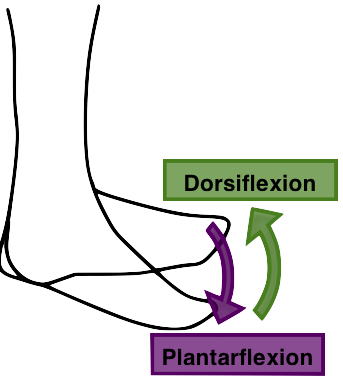
Thigh muscle activation
With the leg supported, gently tighten the front of your thigh and press the back of the knee towards the bed. Only use the position and hold time your physiotherapist has shown you.
Guided knee bending
Gently bend and straighten the knee within the range recommended by your physiotherapist. After a hip replacement, observe any hip precautions in your discharge plan.
These are examples, not a prescribed programme. Your own exercise sheet decides the repetitions, hold times and progression.
Ankle diagram: Osteomyoamare, Wikimedia Commons, CC BY 3.0. Unmodified.
Your hospital's recovery information
Your discharge pack and physiotherapy sheet are the starting point. These links explain the hospitals' physiotherapy services and offer general recovery information.
Euxton Hall, Chorley
The Beardwood Hospital, Blackburn
Lancaster Private Hospital
Spire hip recovery · Spire knee recovery · Circle hip recovery
Who to contact
You should have been given ward or hospital contact details when you were discharged. Use that number as your first contact for questions about your wound, medicines or early recovery. Keep it with your discharge paperwork. If you cannot find it, contact the hospital where you had surgery and ask for the ward or team that looked after you.
Seek urgent medical advice for a worsening red or leaking wound, fever, new calf pain or swelling, or a sudden change in your ability to use the leg. Call 999 for severe breathlessness, chest pain or a collapse. Do not wait for a routine appointment or email response if you are seriously unwell.